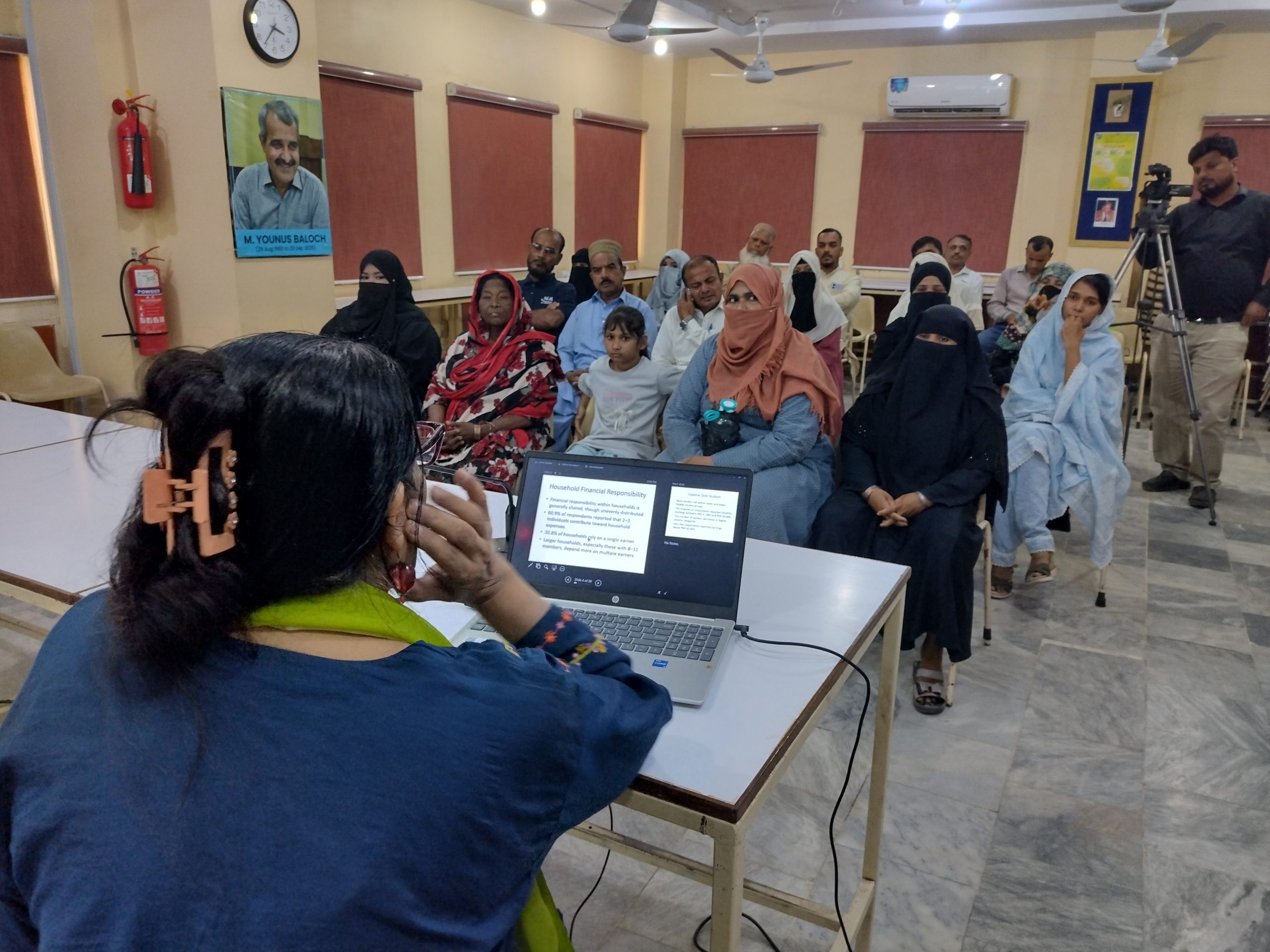
A fresh study conducted by the National Organisation for Working Communities-NOWCommunities has shown that roughly half of the children coming from textile supply chain workers of Karachi cannot afford to go to school despite two to three people of the family working full time. It shows that more than 80 percent of such workers themselves have some experience of formal education themselves but now their next generation may not have the same story.
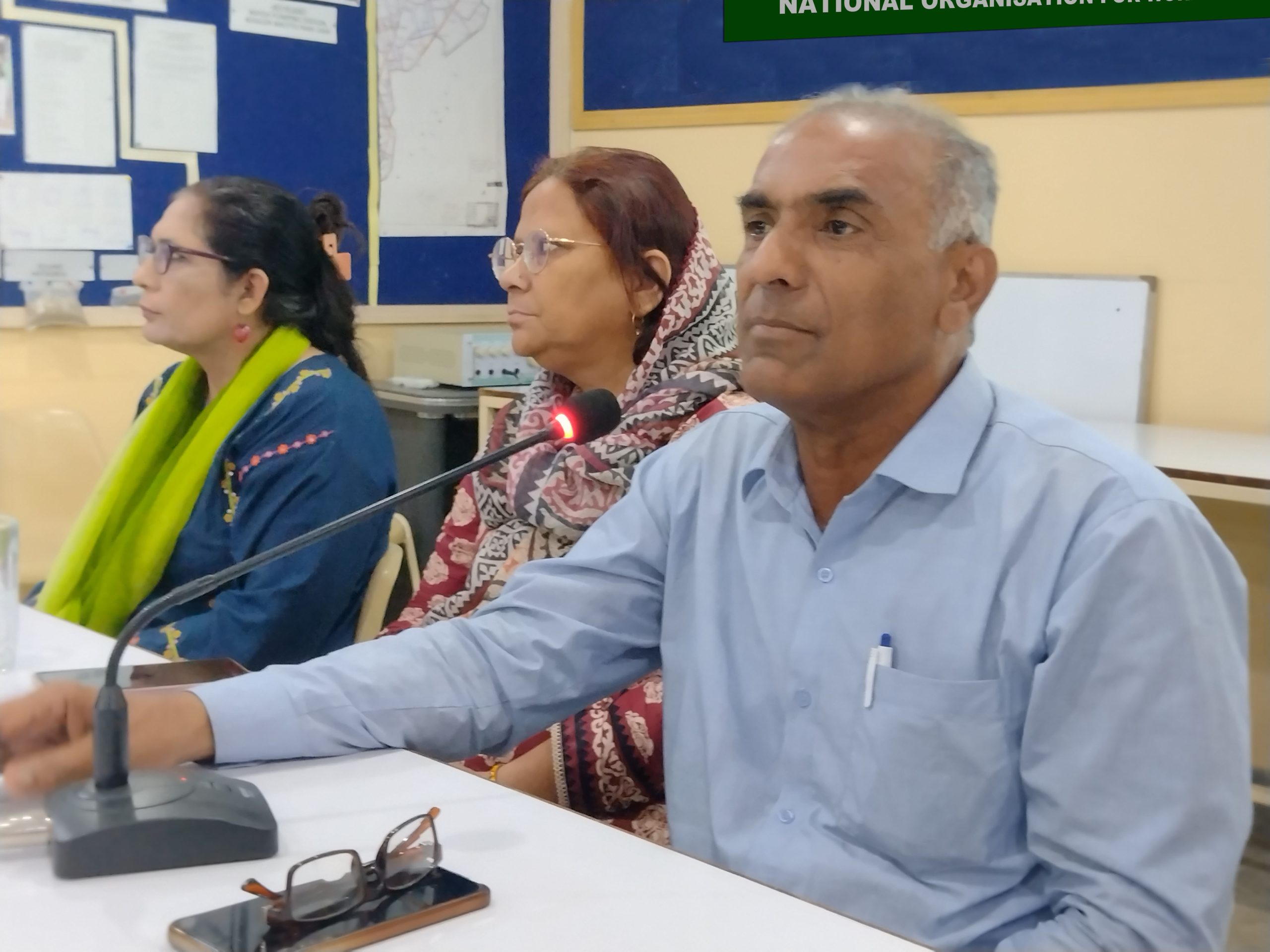
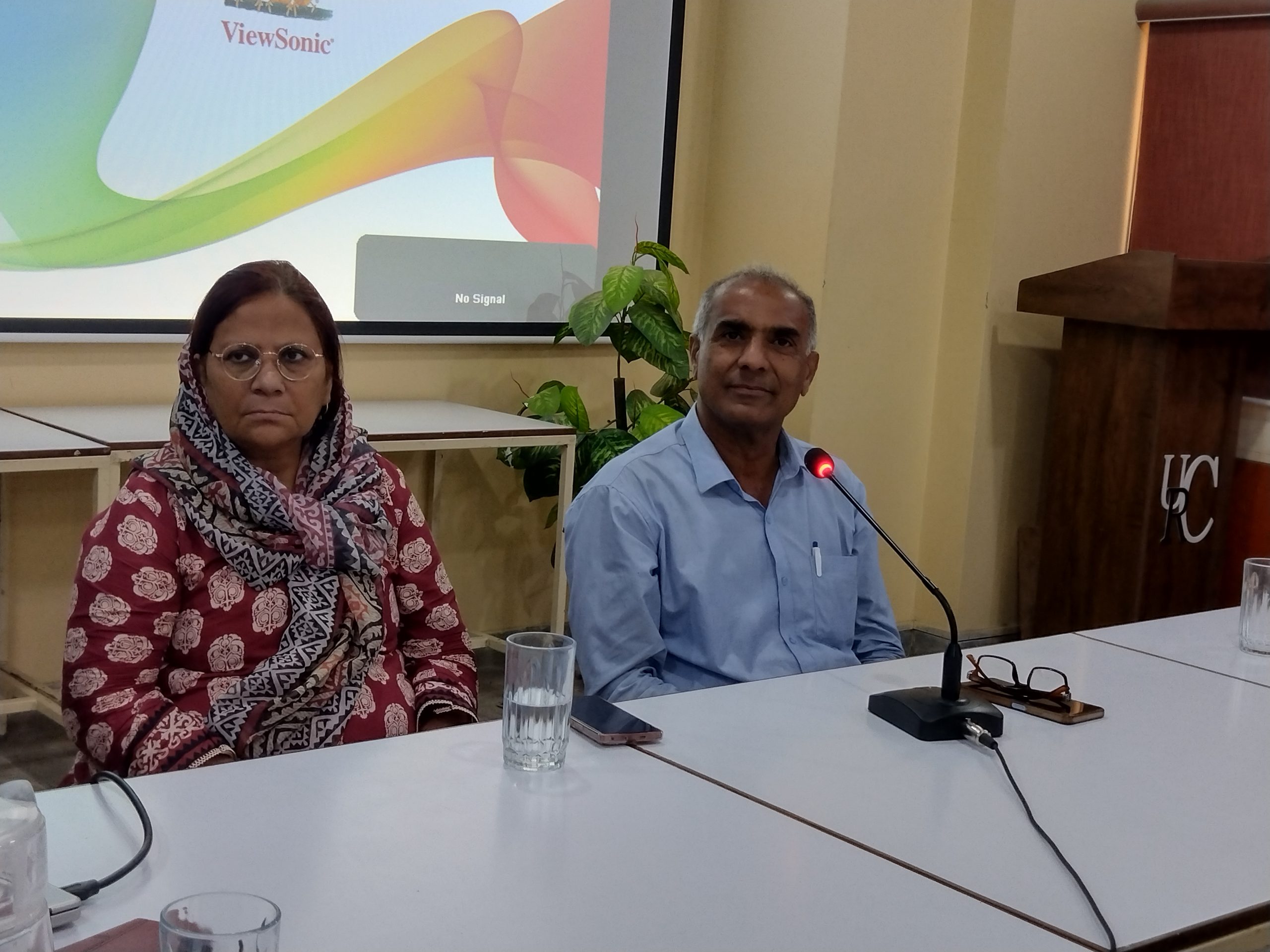
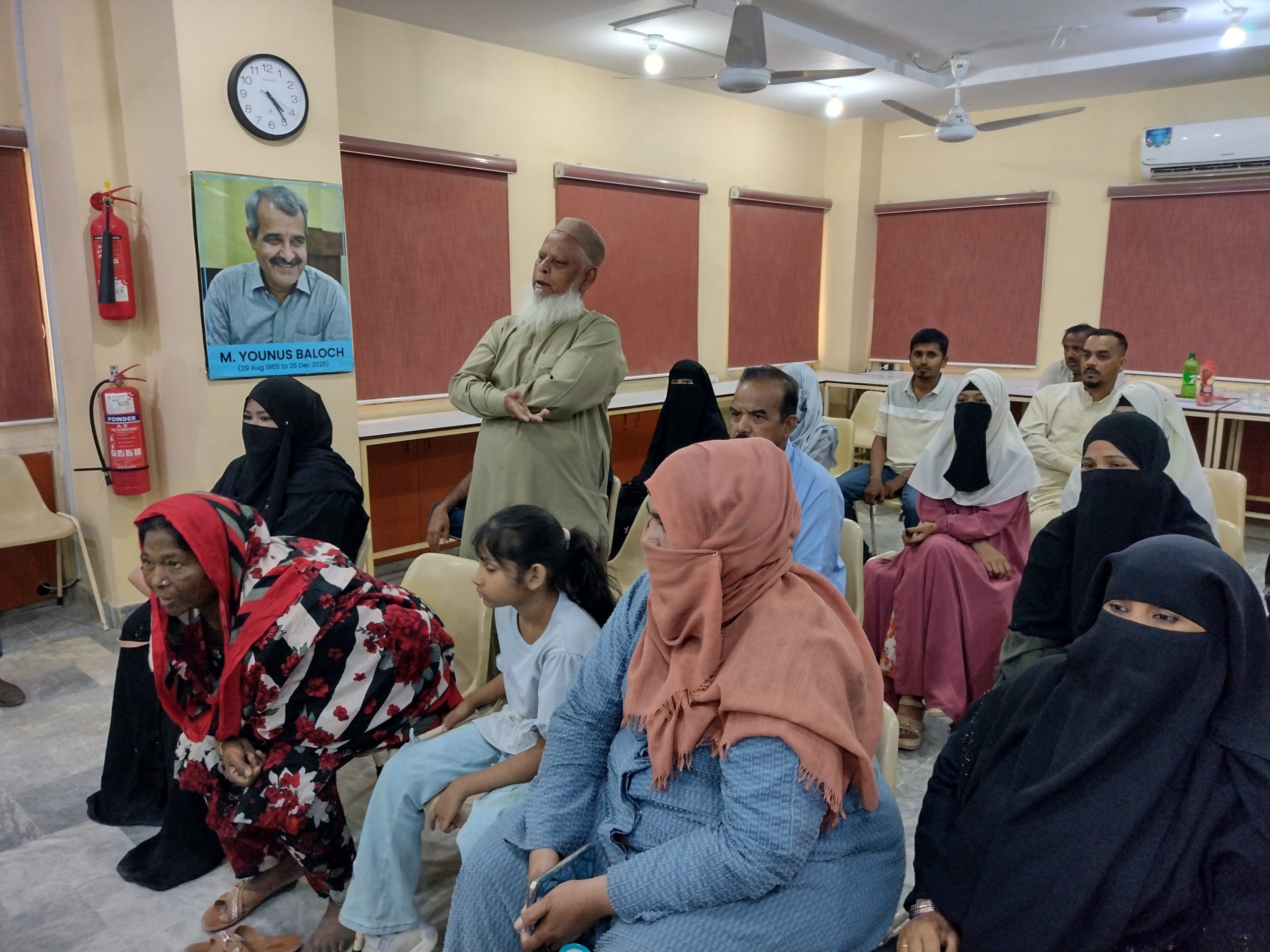
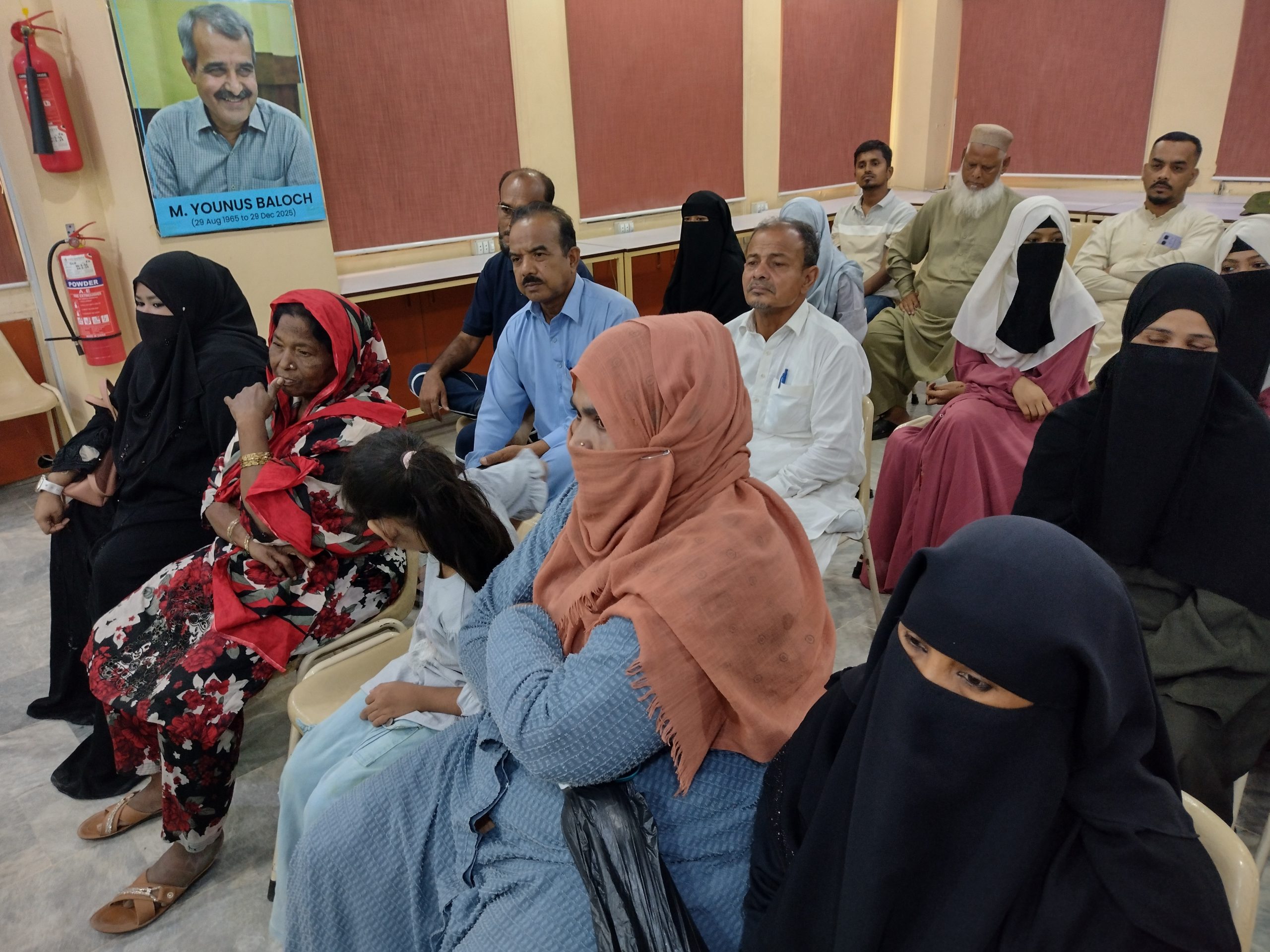
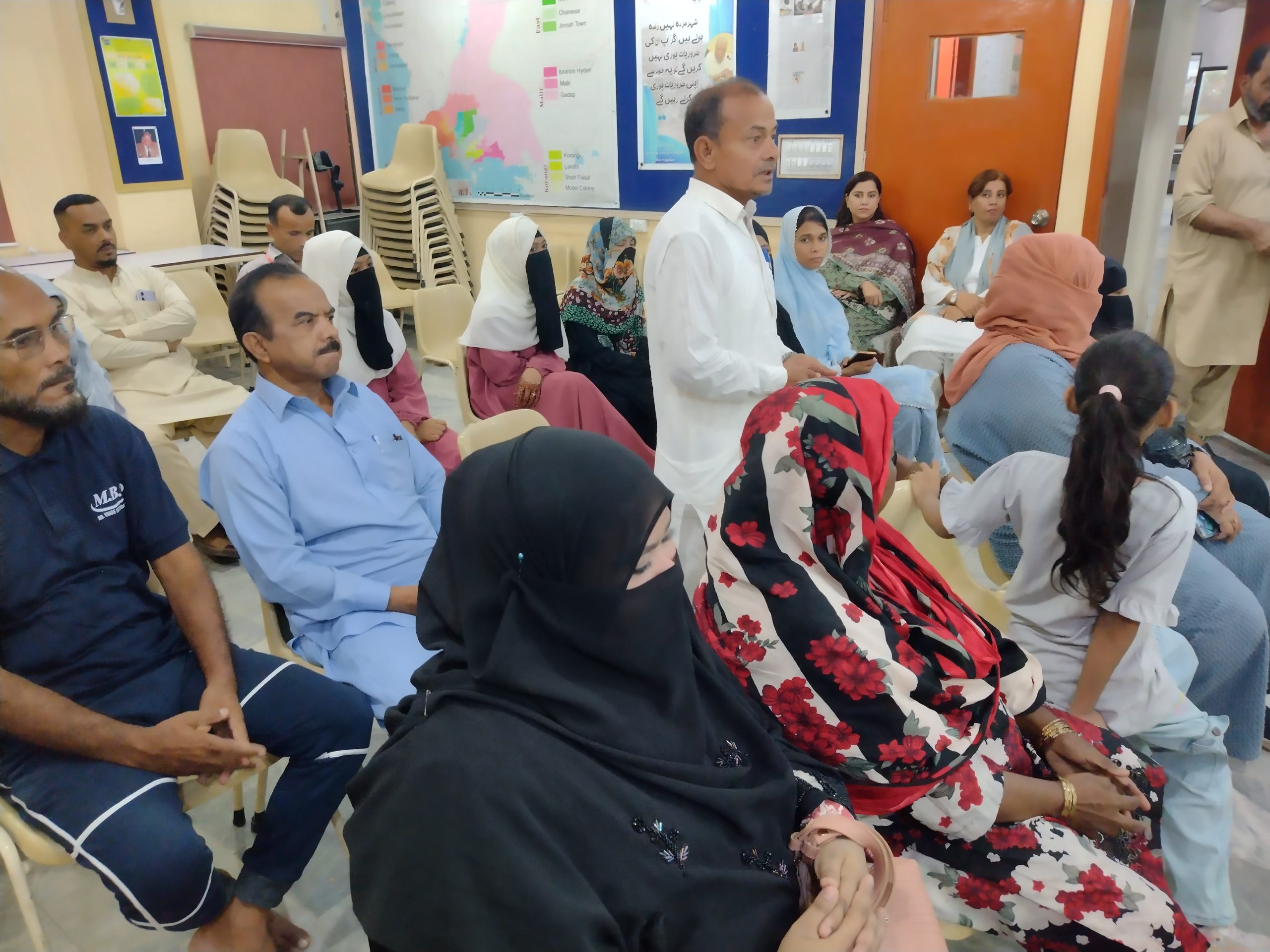
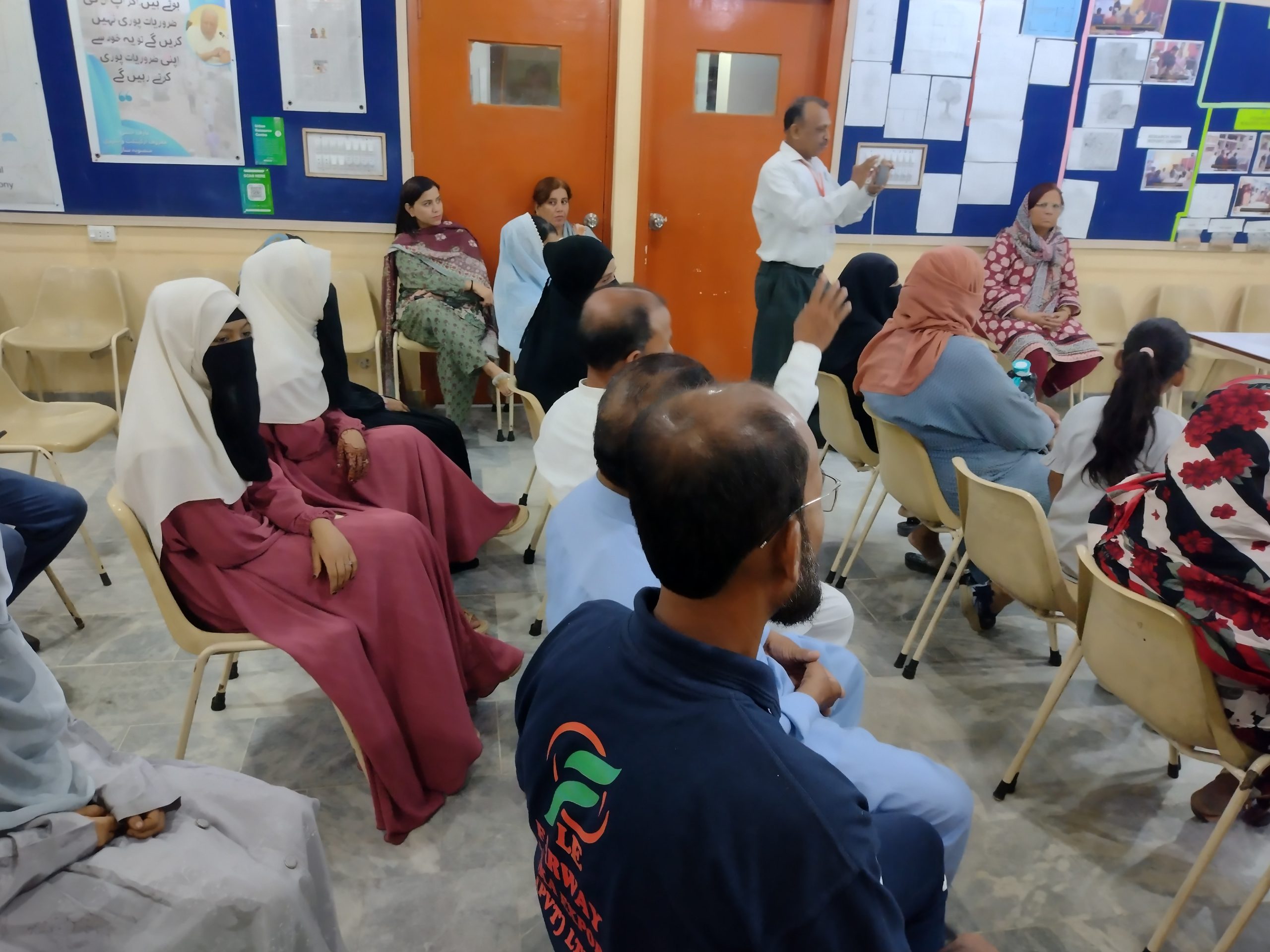
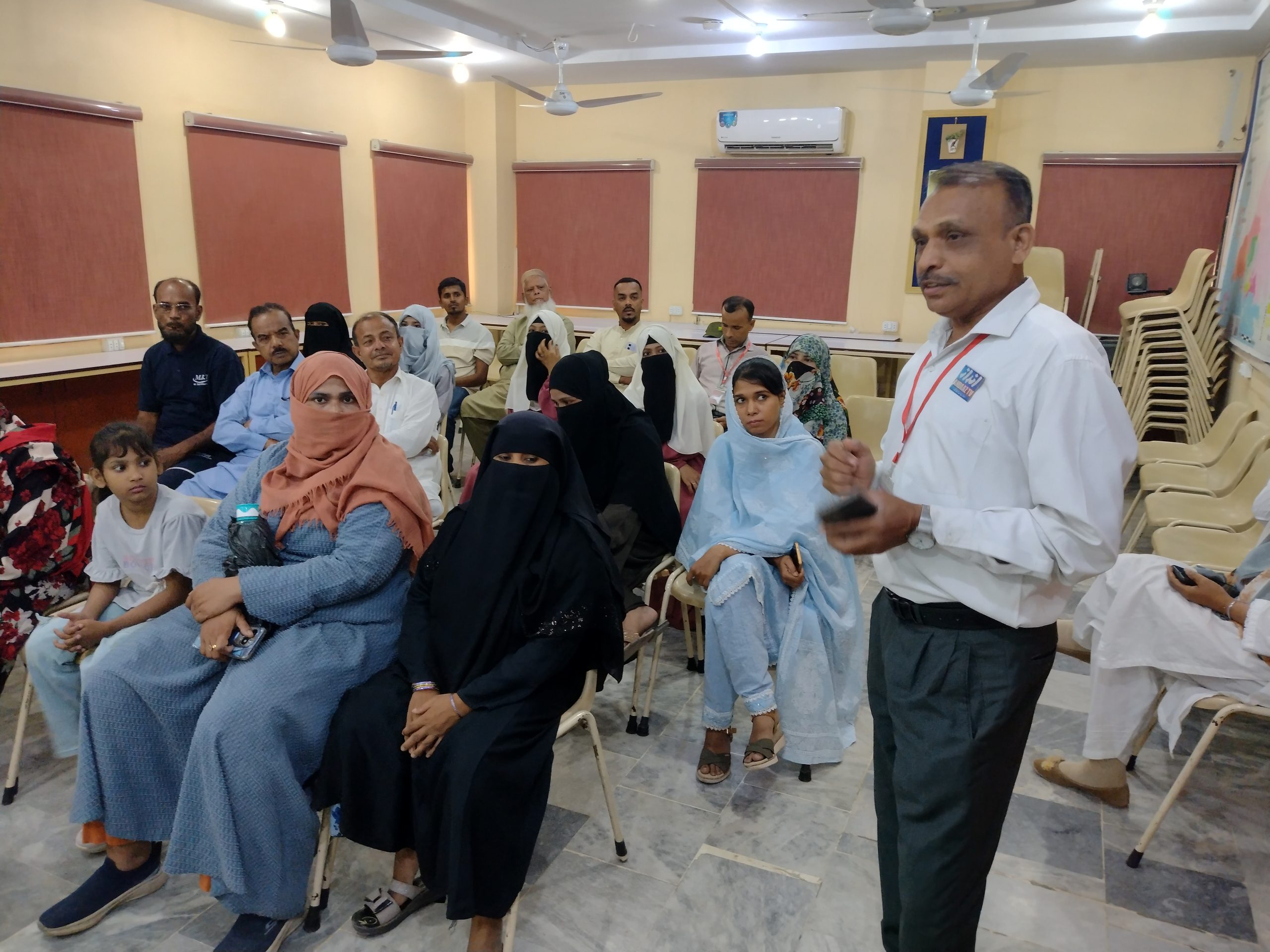
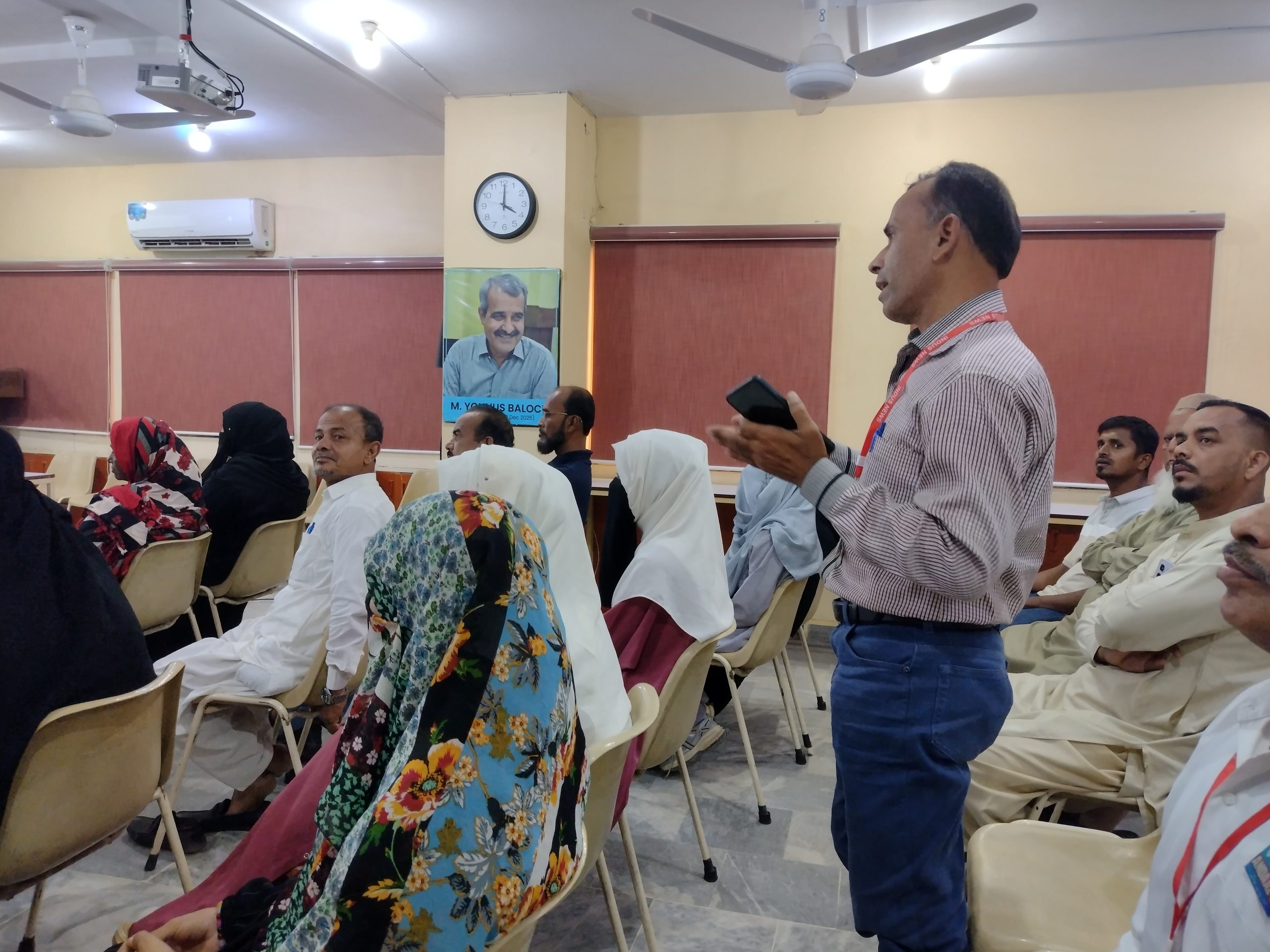
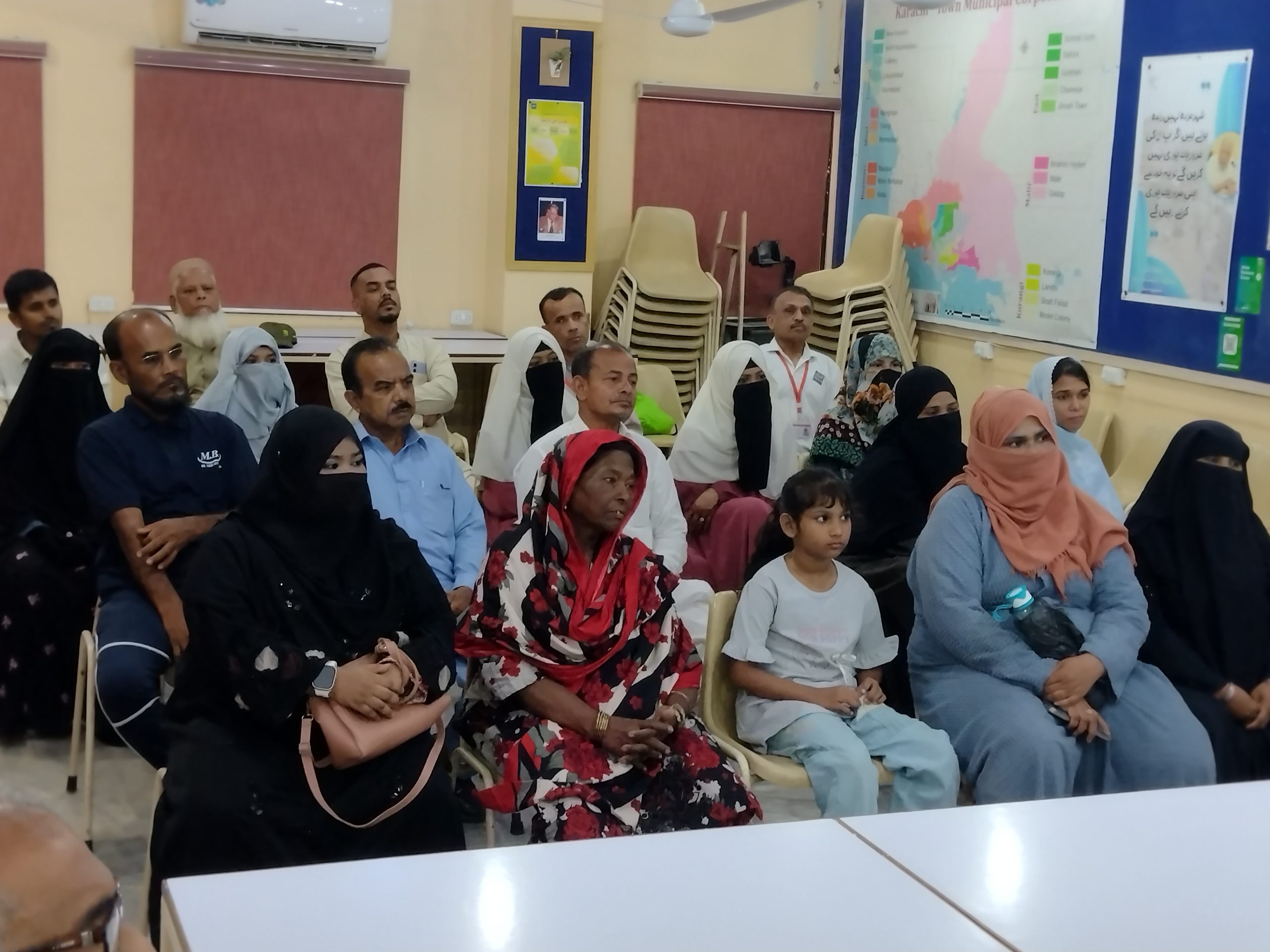
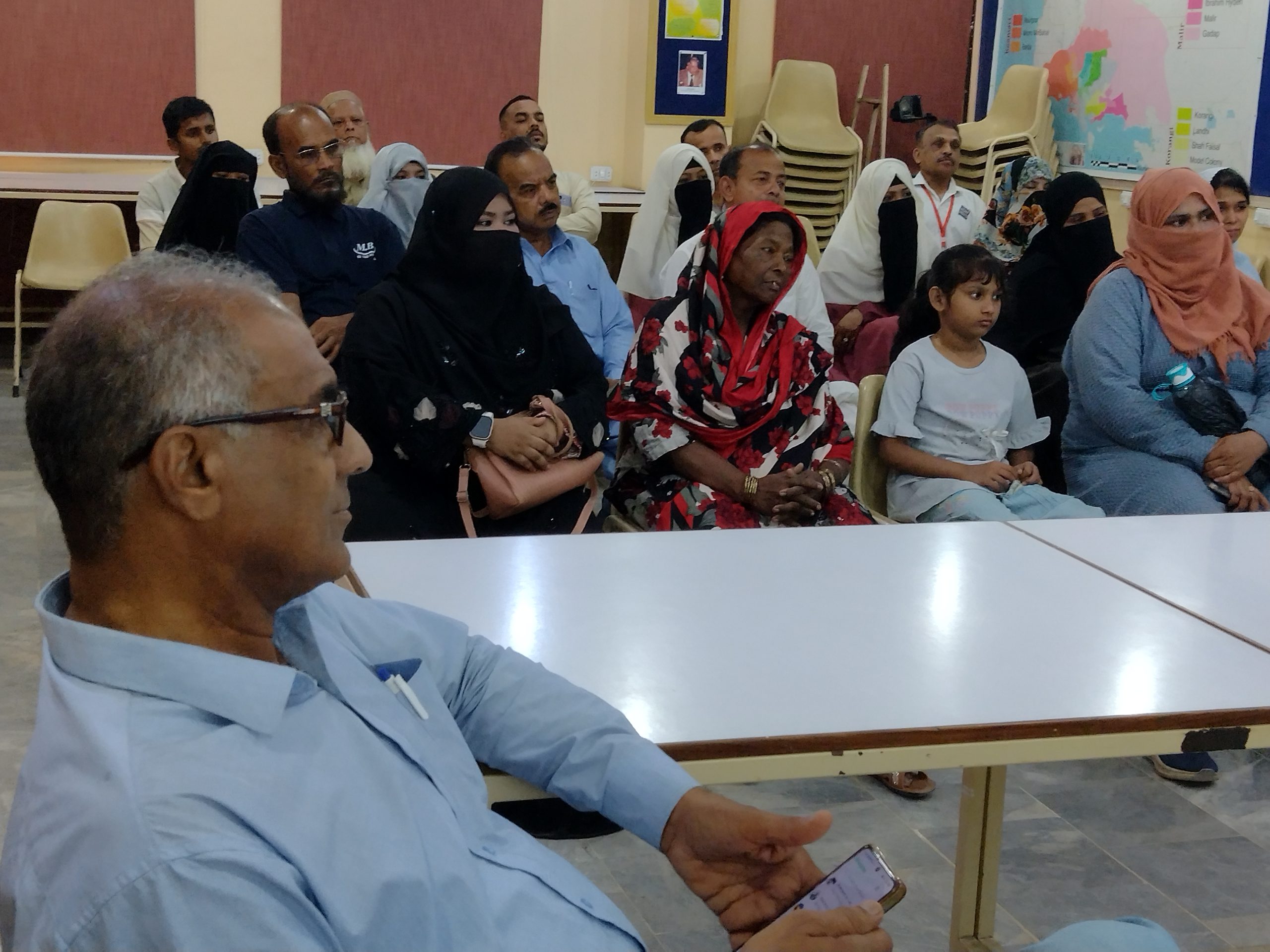
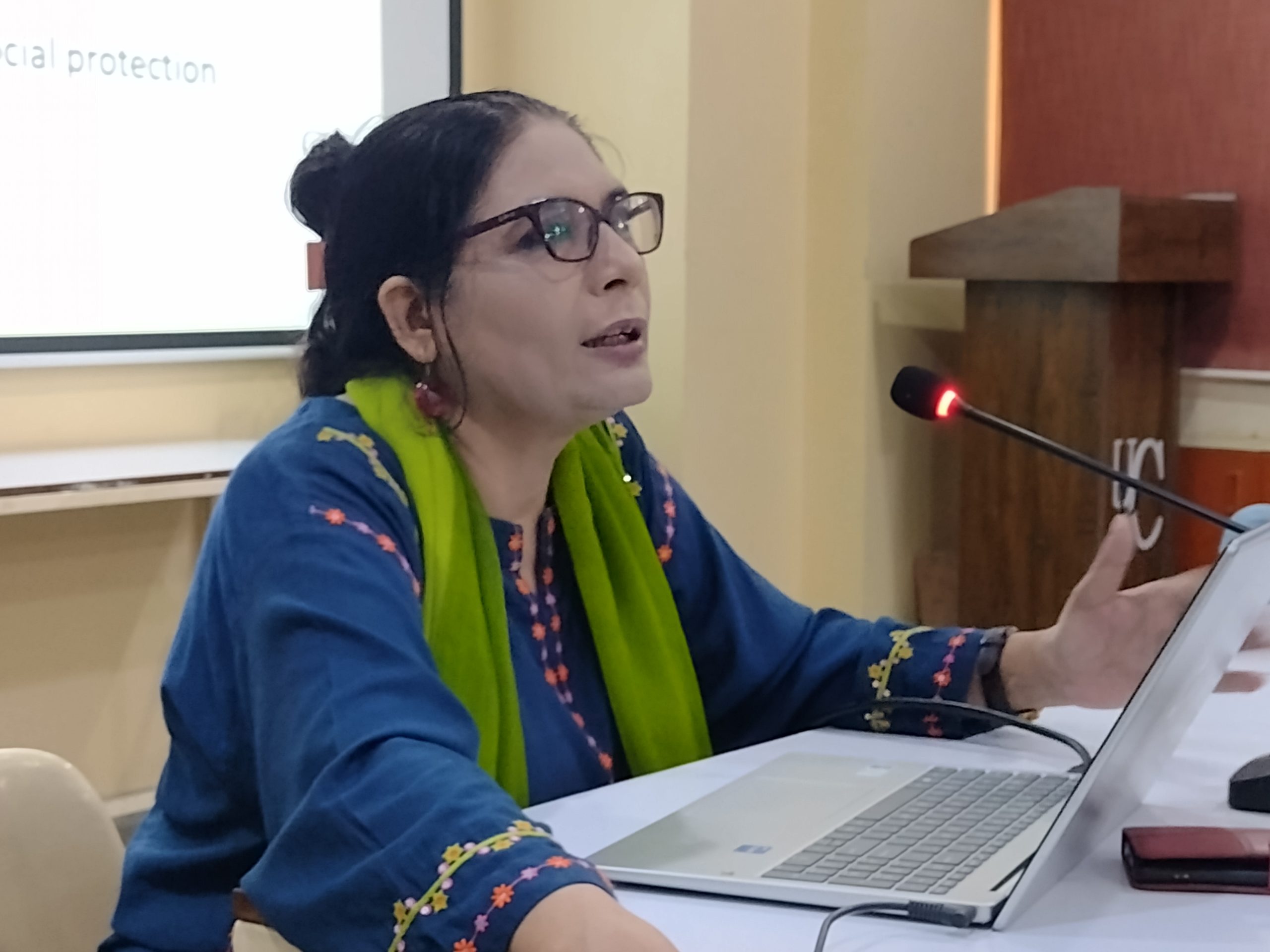
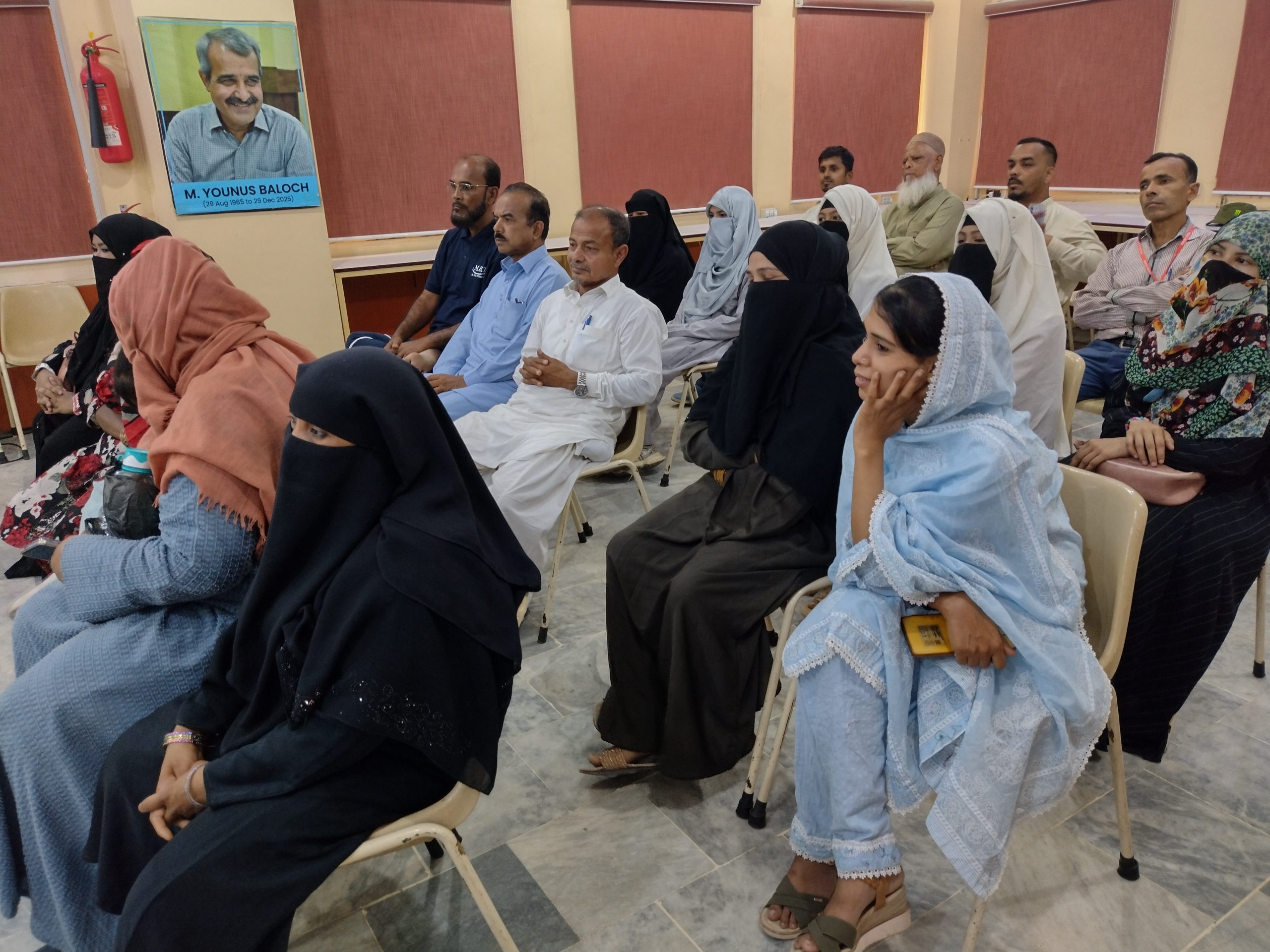
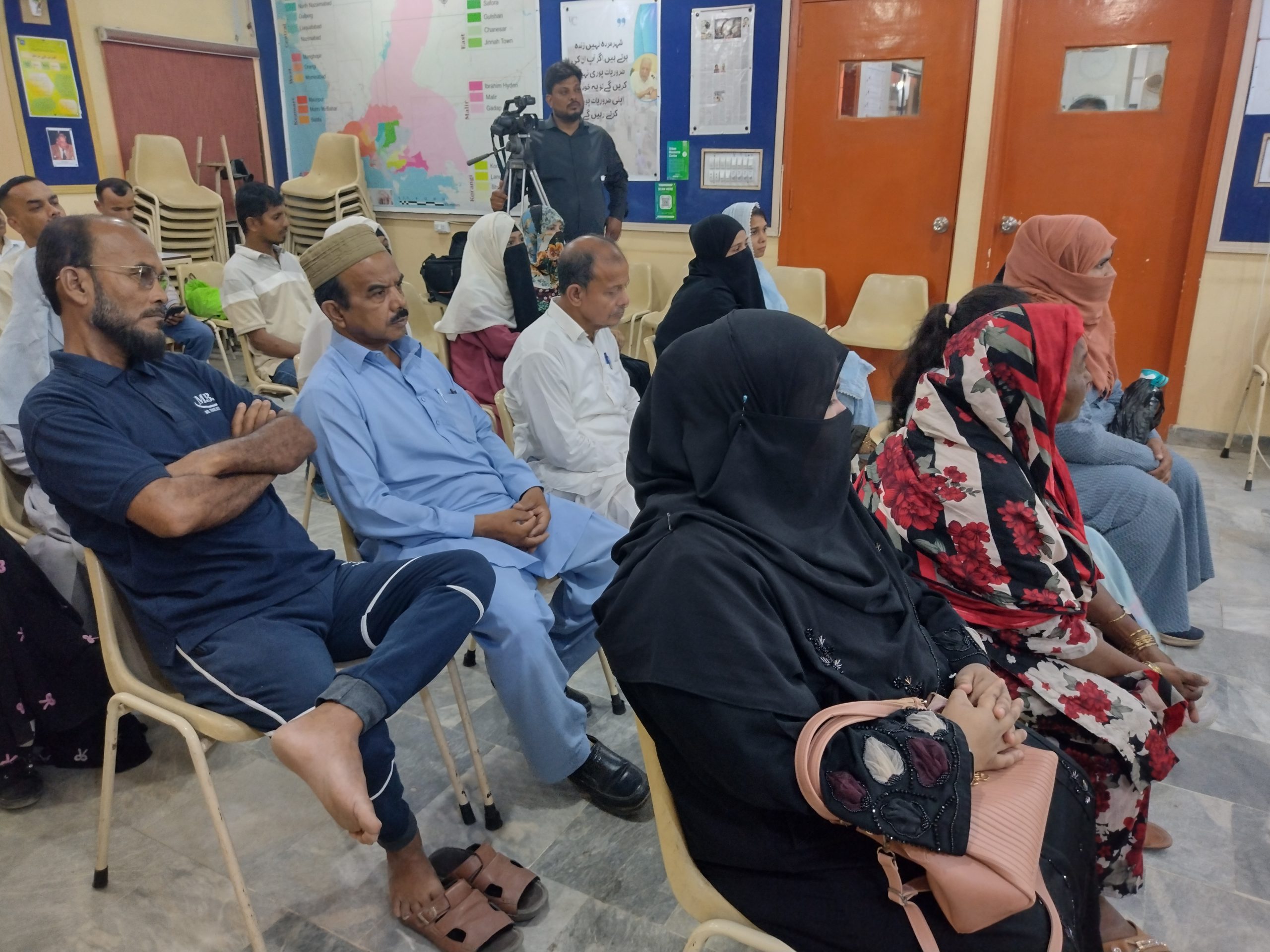
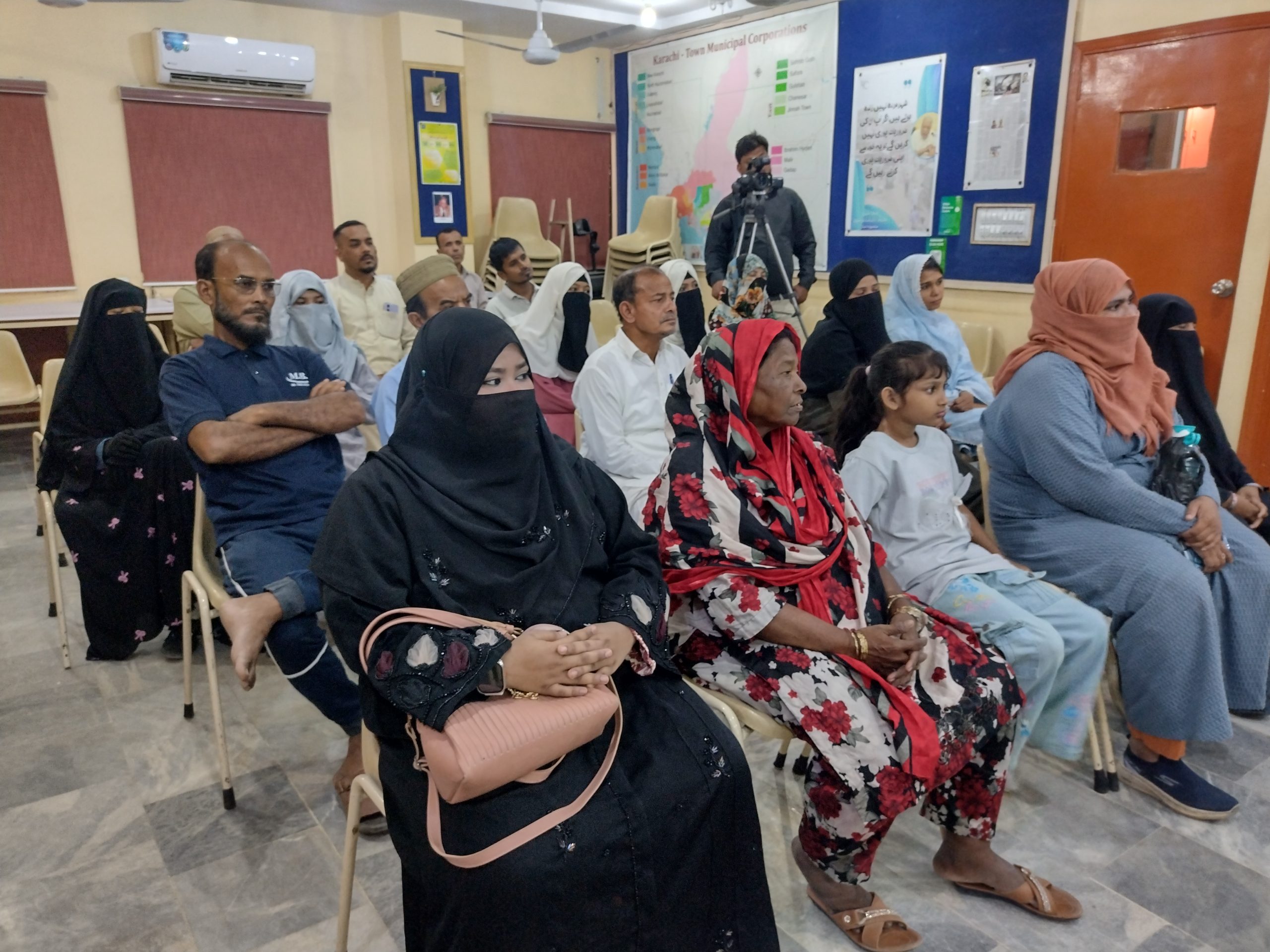
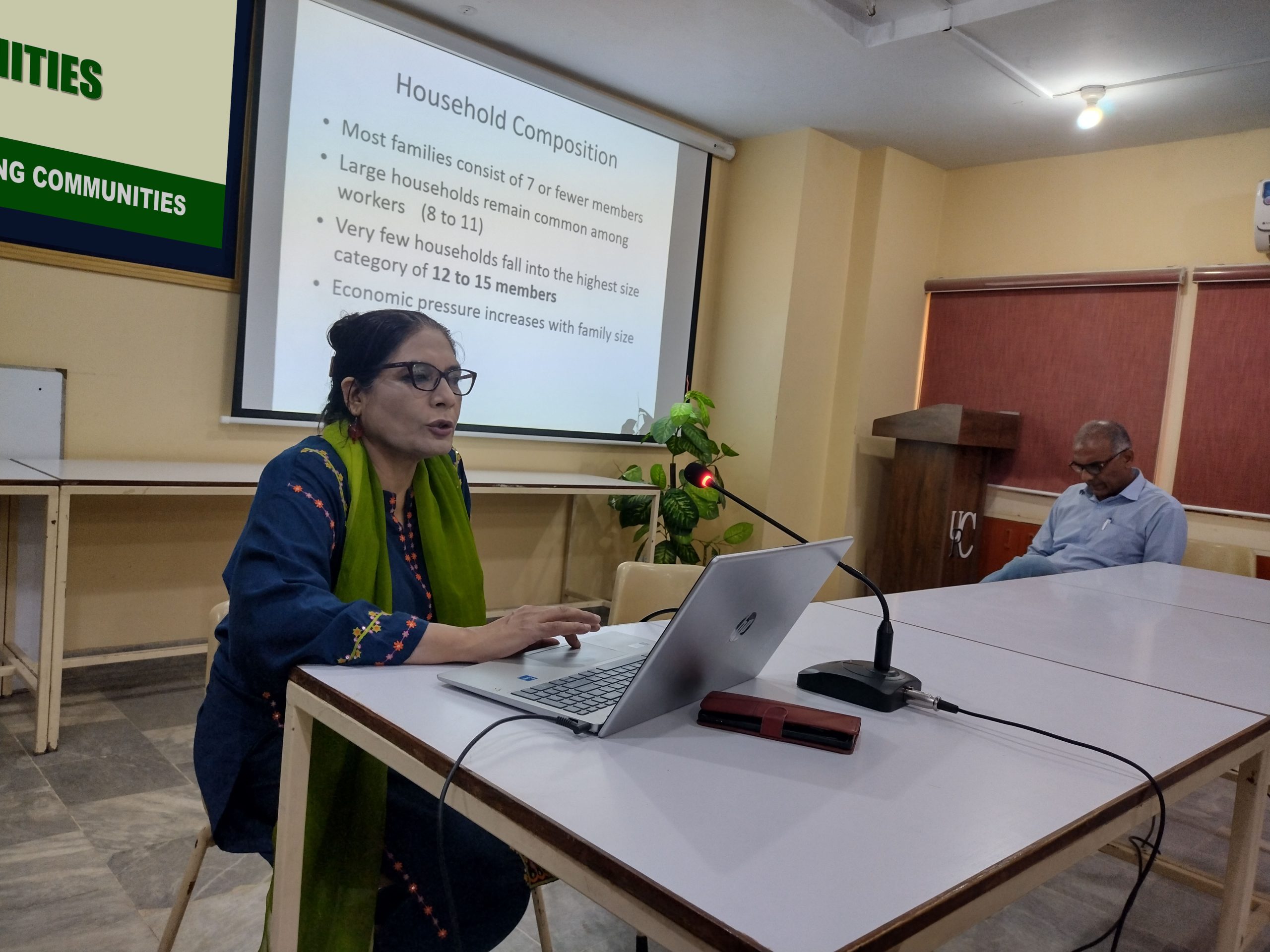
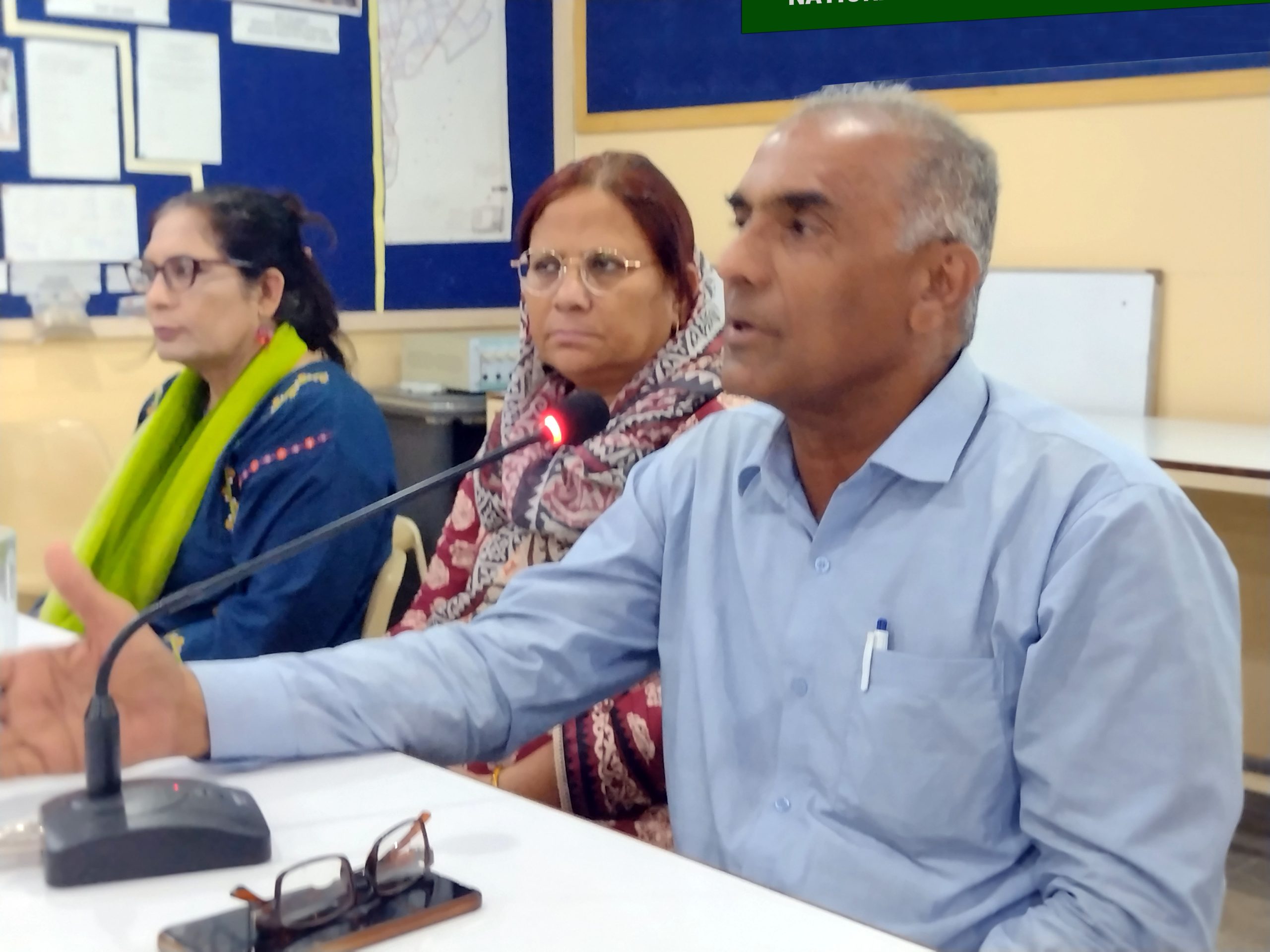
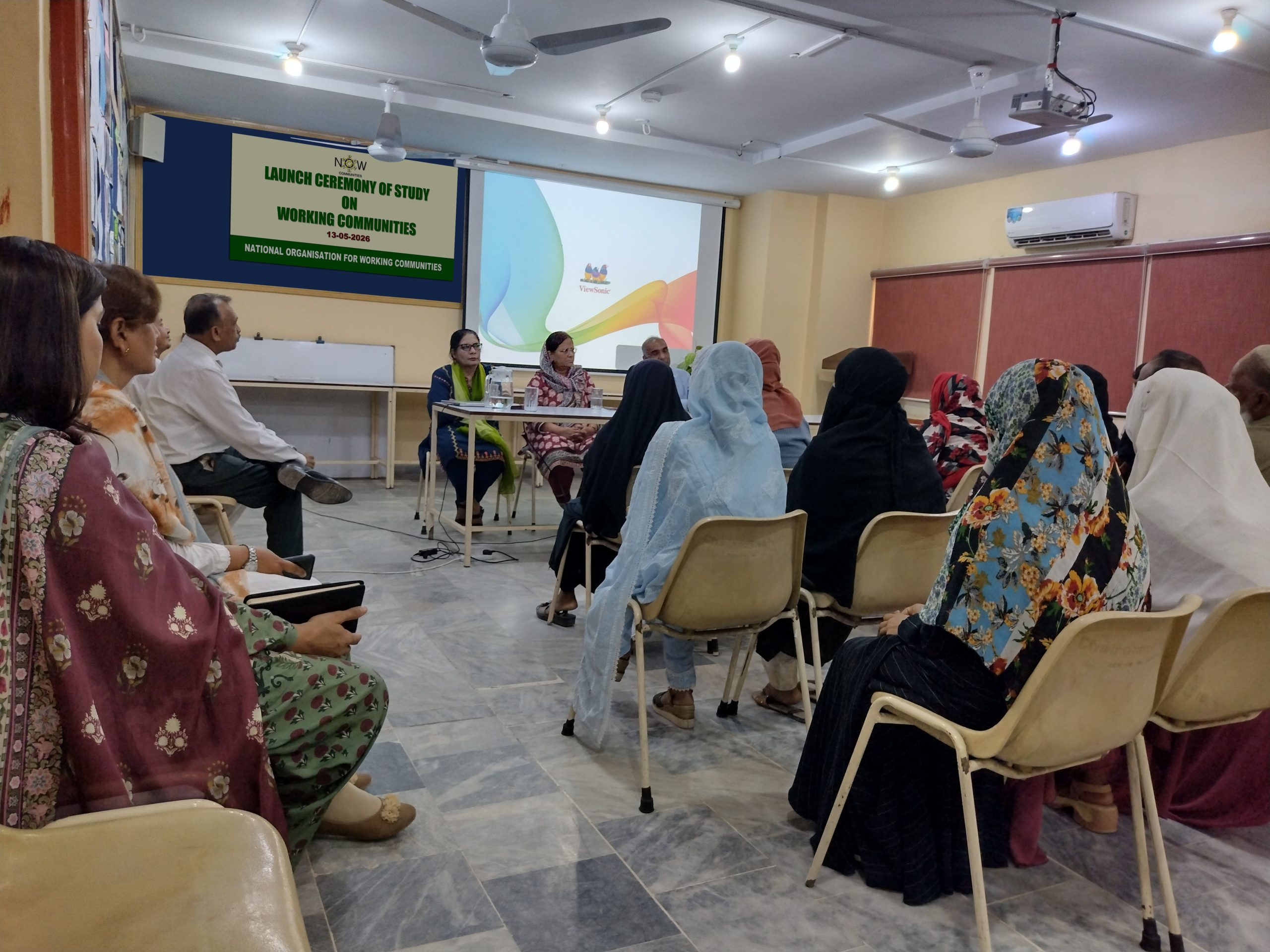
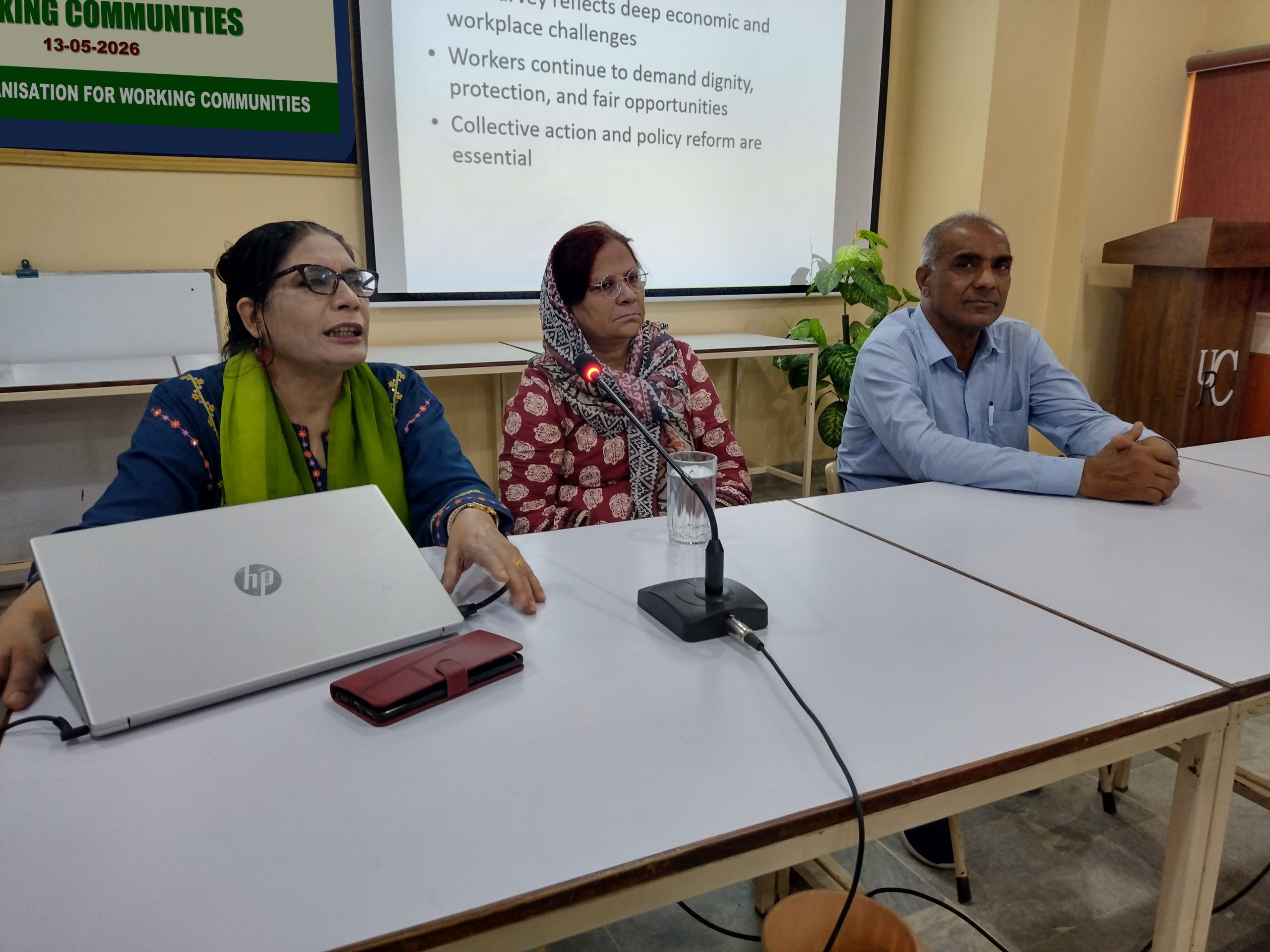
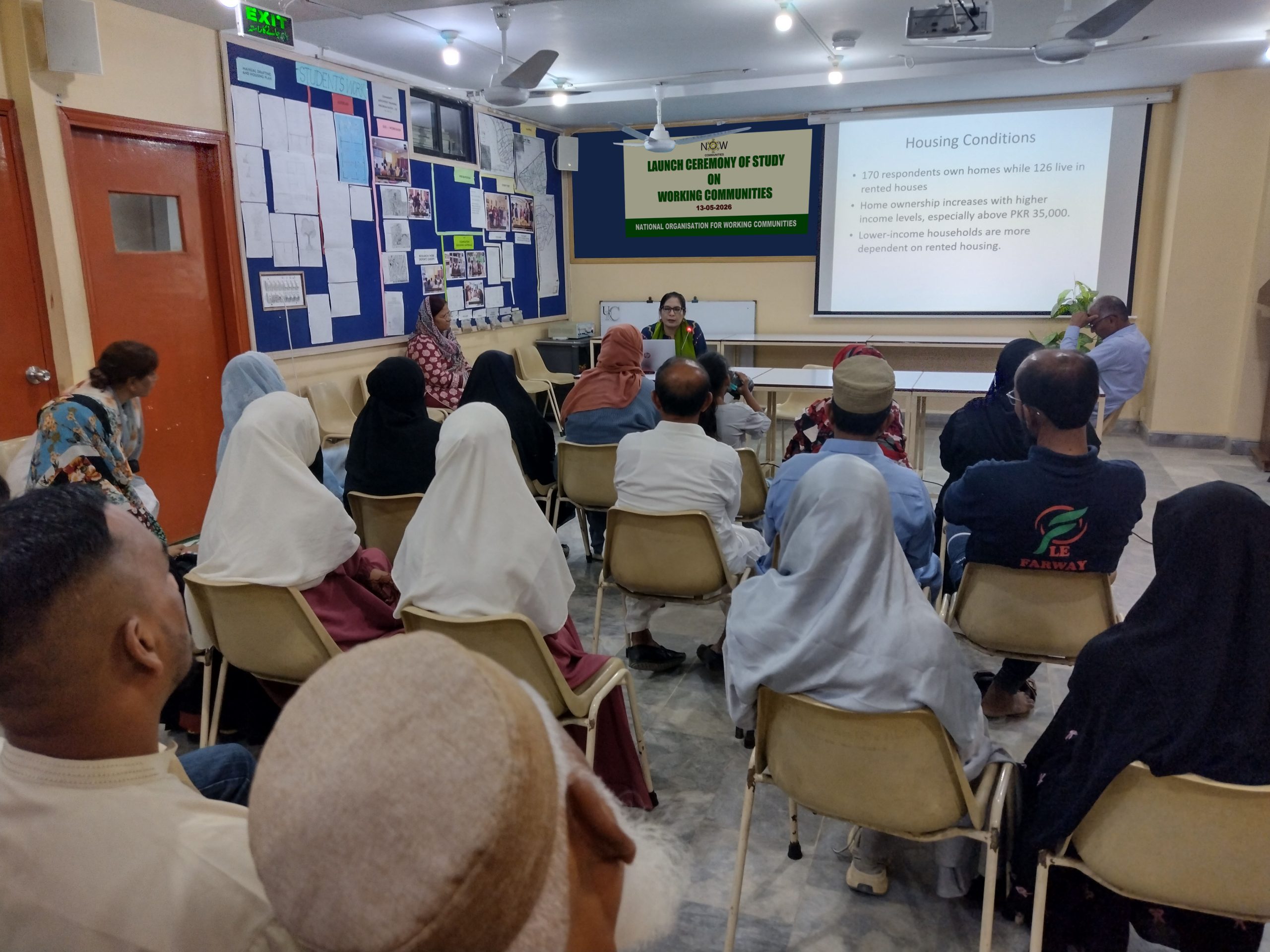
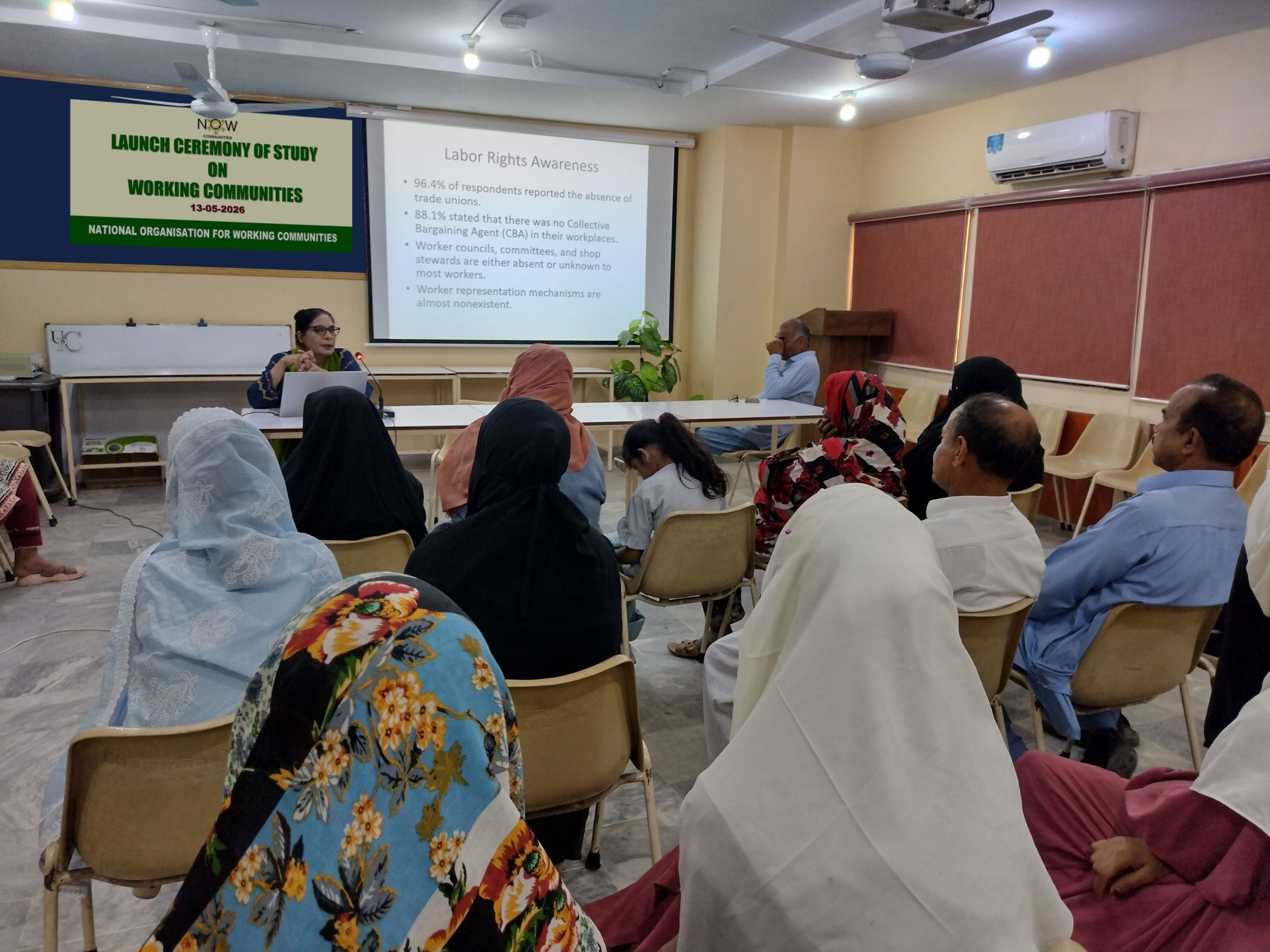
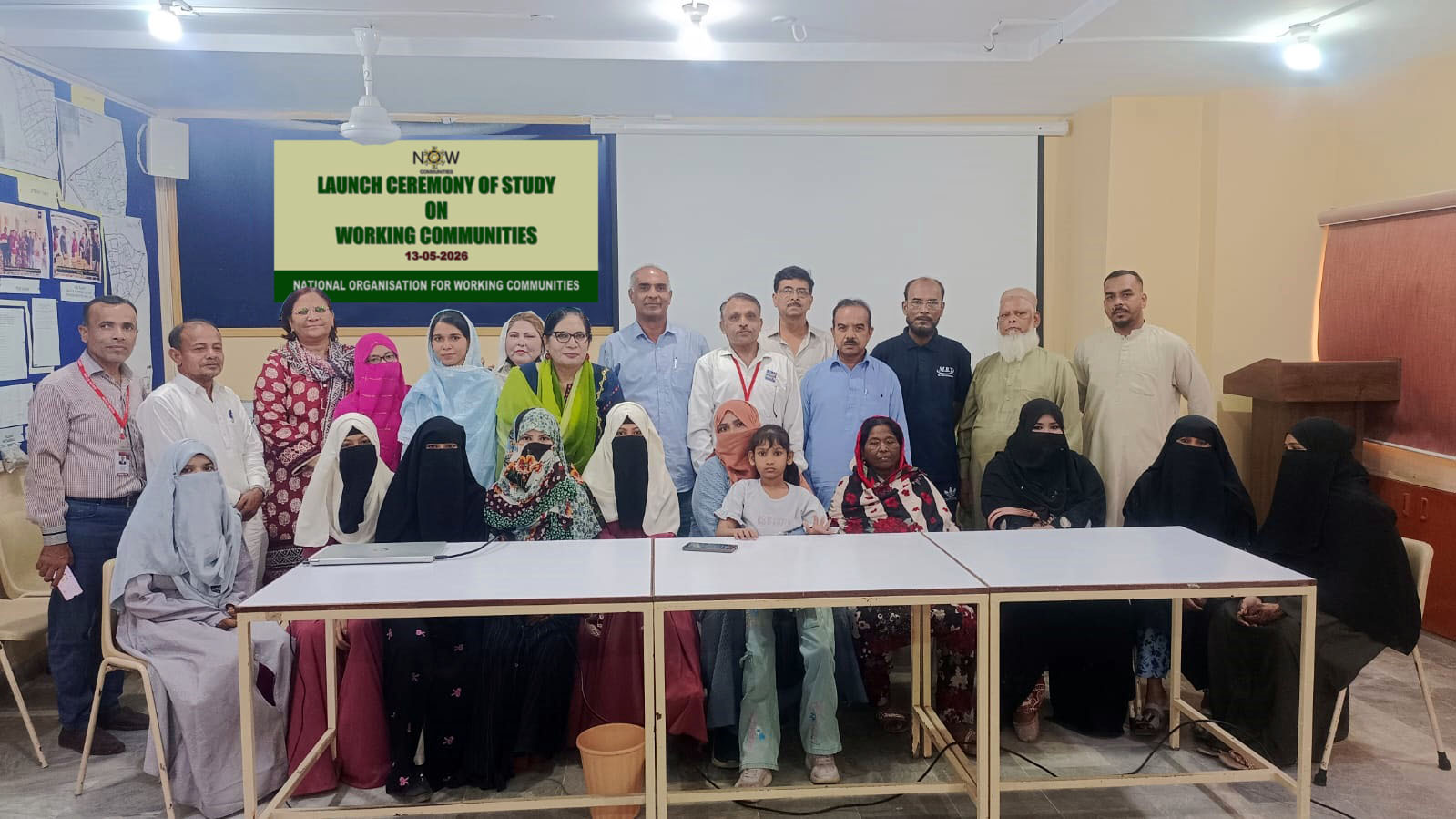
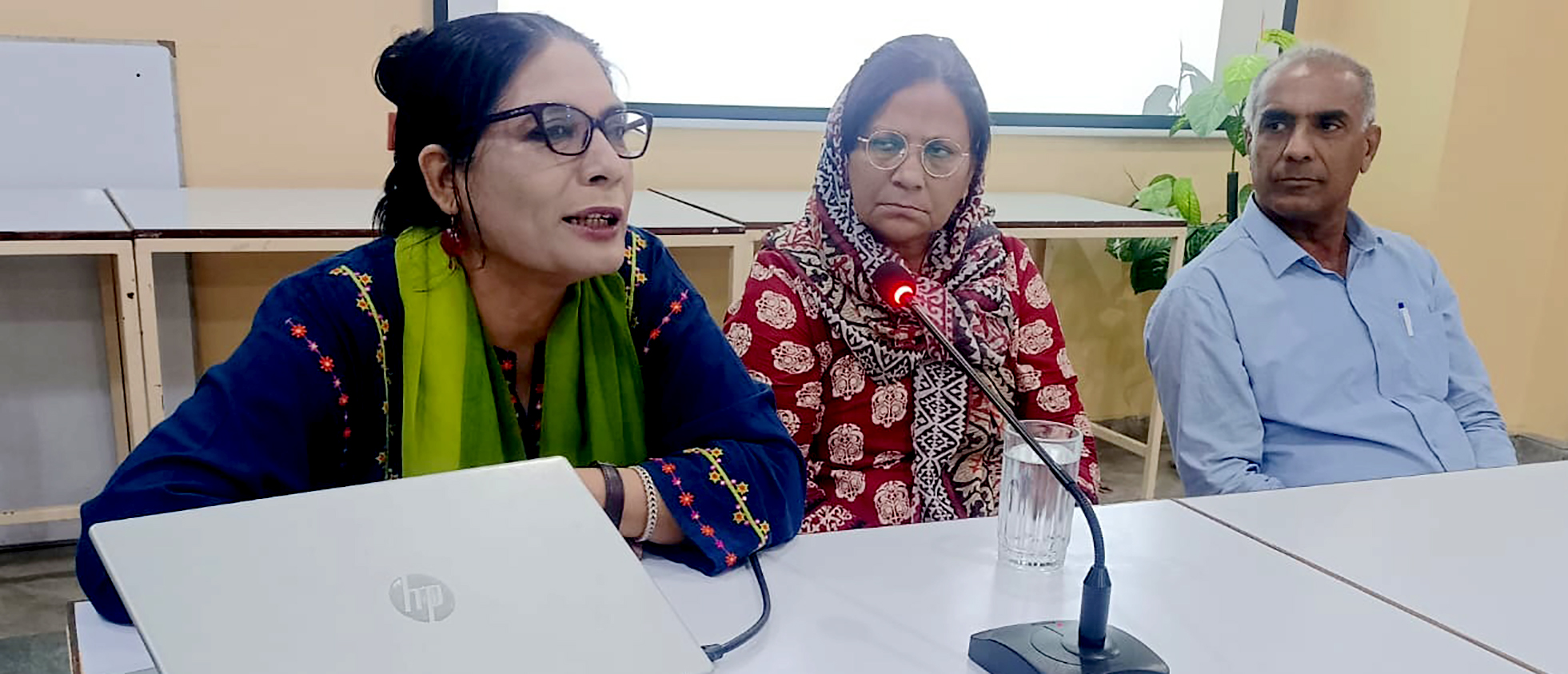
The study was released on Wednesday by NOWCommunities’ Executive Director Farhat Parveen in a formal ceremony attended by stakeholders including many of the people who had participated in the survey. The study was conducted through a survey of over 300 representative families of textile supply chain workers.
Of the sample, over 60 percent said two or three persons contributed in household expenses but still, the total household income of a majority–60 percent–hardly reached the legal minimum wage.
Most respondents reported earnings between PKR 31,000 and PKR 40,000, with progressively fewer respondents in higher income categories. Only a very small fraction reported earnings above PKR 50,000, indicating limited upward mobility within the current wage structure.
Forty thousand rupees is the minimum wage set by the Sindh government for 26 days of work per month for unskilled workers.
The data presents a detailed picture of workers navigating low incomes, insecure employment, limited benefits, and constrained living conditions, while simultaneously expressing clear expectations for improvement.
Although basic workplace facilities were found present in many cases, deeper structural issues persist, particularly in areas of job security, labor rights awareness, safety training, and worker representation. The gap between current conditions and worker expectations remains significant, reflecting both economic pressure and a strong desire for improved quality of life.
The NOWCommunities study also shows that more than half of these people with eight to 11 persons in a family live in small 60 or 80 square yard houses. Over 61 percent live in two-room houses.
It also highlights that over 89 percent of these workers do not have any permanent jobs while only 6.6 percent can claim to have permanent jobs. The rest were not even fully employed.
The study also shows that educational attainment is concentrated at the lower and middle levels. The largest group of respondents has middle-level education (29.5%), followed by matric (20.2%) and primary education (18.5%). Illiteracy remains notable at 18.9%.
Gender differences in education are present but not extreme, the study reveals. Male respondents are more concentrated in middle-level education, while female respondents show a more even distribution across categories, with slightly higher proportions in basic literacy and matriculation.
NOWCommunities’ report says access to healthcare appears uneven but not strongly determined by education. Nearly equal proportions reported access (50.7%) and lack of access (49.3%), suggesting structural barriers beyond educational differences.
Awareness of labor rights is extremely limited among respondents. All respondents reported no awareness of labor laws, and nearly all were unfamiliar with international labor standards and initiatives such as GSP+ or organizations like the ILO.
Institutional representation of workers is almost nonexistent. The overwhelming majority reported no unions (96.4%) and no presence of a Collective Bargaining Agent (88.1%). Worker participation mechanisms such as councils, committees, or shop stewards are either absent or unknown to most respondents.
Government oversight is weak or largely invisible to workers. Most respondents reported either no inspections by labor department officials or a lack of awareness regarding such visits. Even when inspections occur, interaction with workers is minimal, study points out.
About
The commitment of National Organization for Working Communities (NOWCommunities) was founded in 2007 – though it was formally registered with the Sindh Government in January 2008.
Social Links
Menu Links
Newsletter
We may send you Invitations, Introductions and Information about Our Events which will be Interesting for you to join Our Network.
Copyright © 2024 Now Communities. All Rights Reserved